Cricketers Trademarking Nicknames: Expanding Personality Rights into Sports Branding
12 December, 2025
Introduction
In the modern era of sports, athletes are no longer confined to the boundaries of the playing field. Their influence extends into commerce, media, and culture, transforming them into global brands. Among the most striking developments in this evolution is the trend of cricketers trademarking their nicknames. This phenomenon represents a significant expansion of personality rights into sports branding, raising complex questions about intellectual property law, commercial exploitation, and the balance between individual rights and public interest.
This blog explores the legal, commercial, and cultural dimensions of cricketers trademarking nicknames, with a focus on India’s evolving intellectual property landscape. It examines statutory provisions, case law, and global practices, while analyzing the implications for athletes, businesses, and consumers.
The Rise of Personality Rights in Sports
From Fame to Brand Equity
Personality rights, often referred to as publicity rights, protect an individual’s name, image, likeness, and other attributes from unauthorized commercial use. In sports, these rights have become increasingly valuable as athletes command massive fan followings and wield significant influence over consumer behavior.
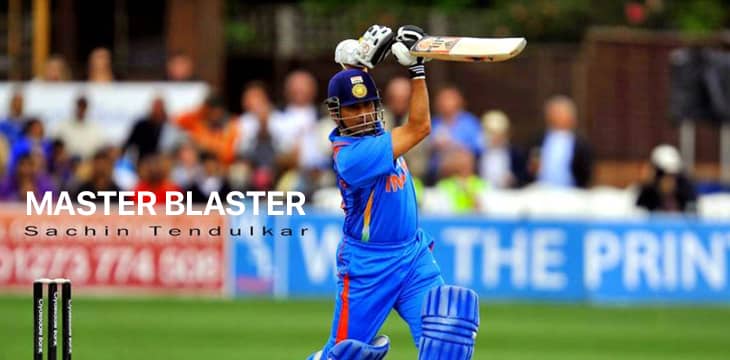
Cricketers, especially in India, enjoy unparalleled popularity. Their nicknames—whether “Master Blaster” for Sachin Tendulkar, “Captain Cool” for MS Dhoni, or “Hitman” for Rohit Sharma—carry immense cultural resonance. These monikers transcend the sport, becoming symbols of identity and brand equity.
Why Nicknames Matter
Nicknames are not merely informal labels; they encapsulate an athlete’s persona, achievements, and public perception. When trademarked, they transform into legally protected assets that can be monetized through endorsements, merchandise, and licensing. This shift reflects the broader trend of athletes asserting control over their commercial identity.
Trademark Law and Nicknames
Statutory Framework
Under the Trade Marks Act, 1999, a trademark is defined as any mark capable of being represented graphically and capable of distinguishing goods or services of one person from those of others. Names, signatures, and even nicknames can qualify, provided they meet the distinctiveness requirement.
Case Law and Precedents
Indian courts have increasingly recognized personality rights. In ICC Development (International) Ltd. v. Arvee Enterprises (2003), the Delhi High Court emphasized that publicity rights vest in individuals, not organizations. Similarly, in Titan Industries v. Ramkumar Jewellers (2012), the use of Amitabh Bachchan and Jaya Bachchan’s images without consent was held to infringe their personality rights.
Though specific cases involving cricketers’ nicknames are limited, the jurisprudence suggests strong judicial support for protecting athletes’ commercial identity.
Cricketers Trademarking Nicknames: Recent Developments
Indian Examples:
-
MS Dhoni has sought trademark protection for his moniker “MSD” and “Captain Cool,” leveraging them in endorsements and merchandise.
-
Virat Kohli has explored branding opportunities around “Chiku,” his childhood nickname, though its commercial use remains limited.
-
Sachin Tendulkar has protected “Sachin” and “Master Blaster,” ensuring exclusive rights over their use in commercial ventures.
Global Comparisons
Internationally, athletes have aggressively trademarked nicknames:
-
Michael Jordan protected “Air Jordan.”
-
Usain Bolt trademarked his iconic “Lightning Bolt” pose.
-
Cristiano Ronaldo commercialized “CR7” into a global fashion and lifestyle brand.
These examples highlight how Indian cricketers are following global trends, albeit with unique cultural nuances.
Commercial Implications
Endorsements and Licensing
Trademarked nicknames allow cricketers to license their identity for merchandise such as apparel, accessories, and collectibles. This creates new revenue streams beyond match fees and endorsements. By securing exclusive rights over their monikers, athletes can enter into structured licensing agreements with manufacturers, retailers, and digital platforms, ensuring that every commercial use of their nickname generates royalties or licensing fees. For instance, a cricketer who trademarks a nickname like “Hitman” or “Captain Cool” can authorize its use on jerseys, caps, sports equipment, or even video games, thereby extending their brand presence across diverse consumer markets.
Such licensing arrangements also provide legal safeguards against counterfeit products and unauthorized exploitation, which are rampant in sports merchandising. Trademark protection empowers athletes to enforce their rights against infringers, preserving both the integrity of their brand and consumer trust. Moreover, the scope of licensing is no longer limited to physical goods; digital assets such as NFTs, avatars in gaming platforms, and metaverse collectibles represent emerging frontiers where trademarked nicknames can be monetized. This convergence of sports branding and intellectual property law demonstrates how cricketers are evolving into entrepreneurs, leveraging their persona as a commercial asset while simultaneously strengthening the broader sports economy.
Preventing Misuse
Trademark protection empowers athletes to prevent unauthorized use of their nicknames in counterfeit goods or misleading advertisements. This safeguards both their reputation and consumer interests. By registering their nicknames as trademarks, cricketers acquire enforceable legal rights that allow them to take swift action against infringers who attempt to exploit their persona for commercial gain. Counterfeit merchandise—such as jerseys, caps, or memorabilia bearing a player’s nickname—can dilute brand value and mislead fans into believing they are purchasing authentic products. Trademark registration provides a statutory basis for issuing cease‑and‑desist notices, initiating infringement suits, and claiming damages, thereby deterring such misuse.
Beyond counterfeit goods, trademark protection also curtails deceptive advertising practices. Companies may attempt to associate themselves with a cricketer’s persona by using their nickname without authorization, creating false impressions of endorsement. Such misrepresentation not only harms the athlete’s reputation but also misleads consumers who rely on the credibility of the athlete’s brand. By asserting trademark rights, cricketers can prevent these practices, ensuring that endorsements remain genuine and transparent.
Importantly, enforcement of trademarked nicknames also contributes to maintaining the integrity of the sports industry. It establishes clear boundaries between legitimate commercial partnerships and opportunistic exploitation, reinforcing consumer trust in licensed products and advertisements. In the digital age, where unauthorized use proliferates across social media, e‑commerce platforms, and fan communities, trademark protection equips athletes with a powerful tool to monitor and regulate misuse. Thus, safeguarding nicknames through trademarks is not merely a matter of personal branding—it is a strategic legal mechanism to preserve authenticity, protect consumer interests, and uphold the commercial value of sports personalities.
Expanding Sports Branding
By trademarking nicknames, cricketers elevate their personal brand to the level of corporate entities. This blurs the line between athlete and entrepreneur, reshaping the sports industry’s commercial dynamics. What was once a purely athletic identity now becomes a structured commercial asset, capable of being licensed, franchised, and strategically marketed. In effect, the cricketer transitions from being a sports personality to a brand owner, with their nickname functioning as a trademark that carries goodwill, distinctiveness, and consumer recognition.
This expansion of sports branding has profound implications. First, it allows athletes to diversify their income streams by entering industries far beyond cricket—such as fashion, fitness, hospitality, and digital entertainment—under the umbrella of their trademarked nickname. Second, it strengthens their bargaining power in endorsement negotiations, as companies are not merely associating with a player but with a legally protected brand identity. Third, it creates long‑term commercial value that can outlast the athlete’s playing career, ensuring continuity of brand presence even after retirement.
From a legal perspective, trademarking nicknames also aligns athletes with corporate practices, where brand management, licensing agreements, and enforcement strategies become central to their professional ecosystem. This convergence of sports and commerce reflects a broader trend in the global sports industry, where athletes increasingly function as entrepreneurs, leveraging intellectual property law to consolidate their market presence. In India, where cricket enjoys unparalleled cultural significance, this development is particularly transformative, signaling a shift toward professionalized sports branding that treats athletes not only as performers but as enduring commercial entities.
Legal Challenges and Criticisms
Distinctiveness and Registrability
Not all nicknames are inherently distinctive. Common or descriptive nicknames may face hurdles in registration. For instance, a nickname like “King” may lack distinctiveness unless strongly associated with a particular cricketer. Distinctiveness is the cornerstone of trademark law, as it ensures that a mark can identify the source of goods or services and distinguish them from others in the marketplace. When a nickname is generic, descriptive, or widely used in everyday language, it risks being rejected by the trademark registry on the grounds that it does not function as a unique identifier.
To overcome this hurdle, cricketers must demonstrate that their nickname has acquired secondary meaning—that is, the nickname has become so closely linked with their persona that the public immediately associates it with them rather than with its ordinary meaning. For example, while “Hitman” is a common word, its consistent use in media and fan culture to describe Rohit Sharma has imbued it with distinctiveness in the context of cricket. Similarly, “Master Blaster” has become inseparable from Sachin Tendulkar’s identity, thereby qualifying for trademark protection despite its descriptive undertones. The registrability of nicknames also depends on whether they are likely to cause confusion with existing trademarks. A nickname that resembles a registered brand in another industry may face objections under Section 11 of the Trade Marks Act, 1999, which prohibits registration of marks that are identical or deceptively similar to existing ones. This requires careful legal strategy, including conducting clearance searches and framing arguments to establish distinctiveness.
Moreover, the Indian Trade Marks Registry often scrutinizes applications for nicknames to ensure they are not merely laudatory or incapable of distinguishing goods. Terms like “Champion” or “Legend” may be rejected unless the applicant can prove long‑standing association with the athlete and significant commercial recognition. Thus, while trademarking nicknames is an innovative branding tool, its success hinges on the ability to establish distinctiveness through evidence of reputation, media coverage, endorsements, and consumer perception.
Conflict with Public Interest
Trademarking nicknames raises concerns about monopolizing cultural expressions. Fans often use nicknames informally, and restricting their use could stifle free expression. Courts must balance commercial rights with public interest. While trademark law grants exclusive rights to the registrant, it must also recognize that nicknames often emerge organically from fan culture and public discourse. They are part of the collective vocabulary through which supporters express admiration, identity, and emotional connection with their favorite players. Over‑commercialization of such nicknames risks alienating fans, who may feel constrained in their ability to celebrate athletes in everyday conversation, social media, or creative fan activities.
Furthermore, excessive enforcement of trademark rights could lead to disproportionate restrictions on small businesses or community initiatives that use nicknames in a non‑commercial or celebratory manner. For example, a local cricket club printing “Captain Cool” on team jerseys to honor MS Dhoni may face legal challenges if the nickname is aggressively policed. Courts must therefore adopt a balanced approach, distinguishing between genuine commercial exploitation that harms the athlete’s brand and informal, non‑commercial uses that form part of cultural expression.
This tension underscores the need for nuanced judicial interpretation and possibly legislative guidance. Safeguards such as fair use exceptions, limits on enforcement in non‑commercial contexts, and recognition of the cultural value of nicknames can help strike equilibrium. Ultimately, while trademarking nicknames strengthens athletes’ commercial rights, it must not erode the communal spirit of sports fandom, which thrives on shared language, creativity, and cultural participation.
Enforcement Difficulties
Monitoring and enforcing trademark rights across diverse markets, especially in digital spaces, poses significant challenges. Unauthorized use in memes, fan art, or social media may be difficult to regulate without appearing heavy‑handed. Unlike traditional infringement in physical goods, digital misuse spreads rapidly across platforms, often blurring the line between commercial exploitation and non‑commercial fan expression. For instance, a nickname used in a parody meme or fan‑created artwork may not be intended for profit, yet its widespread circulation can dilute the distinctiveness of the mark and undermine its commercial value.
Cricketers and their legal teams must therefore adopt nuanced enforcement strategies. Aggressive takedown actions against fans or community pages risk reputational backlash, portraying the athlete as overly litigious and disconnected from their supporters. On the other hand, failure to act against unauthorized commercial use—such as counterfeit merchandise sold online or misleading brand collaborations—can weaken the exclusivity of the trademark and erode consumer trust.
The global nature of digital platforms further complicates enforcement. Infringing content may originate from jurisdictions with weak IP enforcement mechanisms, requiring cross‑border coordination and reliance on platform‑level policies. Social media companies and e‑commerce platforms often provide takedown procedures, but these are reactive and may not fully address the scale of misuse. As a result, athletes must balance vigilance with pragmatism, prioritizing enforcement against clear commercial exploitation while tolerating certain non‑commercial fan uses to preserve goodwill.
Ultimately, enforcement in the digital age demands a combination of legal action, technological monitoring tools, and strategic public relations. It is not merely about asserting rights but about managing the delicate equilibrium between protecting brand value and maintaining the authenticity of fan engagement.
Personality Rights vs. Trademark Rights
Overlap and Distinction
While personality rights protect an individual’s identity from unauthorized commercial exploitation, trademark rights grant exclusive use of a mark in commerce. Trademarking nicknames represents the intersection of these domains, reinforcing athletes’ control over their persona.
Judicial Recognition
Indian courts have increasingly acknowledged this overlap. In DM Entertainment v. Baby Gift House (2010), the Delhi High Court upheld Daler Mehndi’s rights over his persona, recognizing unauthorized use of his name and image as infringement.
Cultural Dimensions
Fan Engagement
Nicknames are integral to fan culture. Trademarking them formalizes this cultural phenomenon, transforming informal expressions into commercial assets. This raises questions about whether commercialization dilutes authenticity.
National Identity
Cricketers’ nicknames often embody national pride. Protecting them through trademarks underscores their symbolic value but also commodifies national sentiment.
Future of Sports Branding in India
Expansion Beyond Cricket
While cricket dominates, athletes in other sports are beginning to explore personality rights. Badminton stars, wrestlers, and footballers may follow suit, expanding the scope of sports branding.
Digital Platforms
With the rise of NFTs, esports, and digital collectibles, trademarked nicknames could play a pivotal role in virtual economies. Athletes may license their nicknames for avatars, gaming, and metaverse experiences.
Policy Considerations
India may need clearer statutory recognition of personality rights, harmonizing them with trademark law. This would provide stronger legal foundations for athletes seeking to protect and monetize their identity.
Conclusion
Cricketers trademarking nicknames marks a significant evolution in the intersection of sports, law, and commerce. It reflects the growing importance of personality rights in India’s intellectual property landscape and underscores the transformation of athletes into global brands. While challenges remain—particularly around distinctiveness, enforcement, and public interest—the trend is likely to accelerate, reshaping sports branding for generations to come.
By asserting control over their nicknames, cricketers are not merely protecting their identity; they are redefining the very nature of sports celebrity in the 21st century. As India continues to embrace this phenomenon, the law must evolve to balance commercial rights with cultural freedoms, ensuring that sports remain both a passion and a profession.