Types of Trademarks in India: 7 Types Every Business Should Know
16 May, 2024 · Updated 15 Nov, 2026

A trademark is more than a brand name. Under Indian law, a word, logo, shape, combination of colours or even a sound can be registered, as long as it identifies your goods or services and sets them apart from others.
The type of mark you file decides what is protected. This guide explains the seven main types of trademarks in India with examples, the types of applications, what can and cannot be registered, and how to choose.
What Is a Trademark?
Section 2(1)(zb) of the Trade Marks Act, 1999 defines a trademark as a mark that can be represented graphically and can distinguish the goods or services of one person from those of others. It may include the shape of goods, their packaging and combinations of colours.
Key features of a trademark
- Identifies the source: customers use it to recognise who makes or sells the goods or services.
- Takes many forms: words, logos, shapes, colour combinations and sounds can all qualify.
- Uses two symbols: ™ shows you claim the mark; ® can be used only once the mark is registered.
- Gives legal rights: registration gives you the exclusive right to use the mark for the registered goods or services and to stop others from using similar marks.
Trademark vs copyright vs patent
| Right | What it protects | Example |
|---|---|---|
| Trademark | Brand identifiers such as names, logos and slogans | Your brand name and logo |
| Copyright | Original creative works such as text, art, music and software | Your website content or product photos |
| Patent | New inventions that meet the legal tests | A new machine or process |
Types of Trademarks at a Glance
| Type | What it is | Best for |
|---|---|---|
| Word mark | A brand name, word, letters or numbers in plain text. | Most brand names. Protects the name in any font, style or colour. |
| Device mark (logo) | A logo, symbol, label or stylised word, with or without text. | A distinctive visual identity. |
| Shape mark | The shape of a product or its packaging. | Distinctive bottles, containers and product shapes. |
| Colour mark | A combination of colours that identifies the brand. | Packaging or trade dress known by its colours. |
| Sound mark | A jingle, tune or sound that identifies the brand. | Brands with a recognised audio signature. |
| Certification mark | A mark showing goods or services meet a set standard. | Bodies that certify quality, origin or method of others. |
| Collective mark | A mark used by members of an association. | Trade and professional associations and their members. |
The 7 Types of Trademarks in India
1. Word Mark
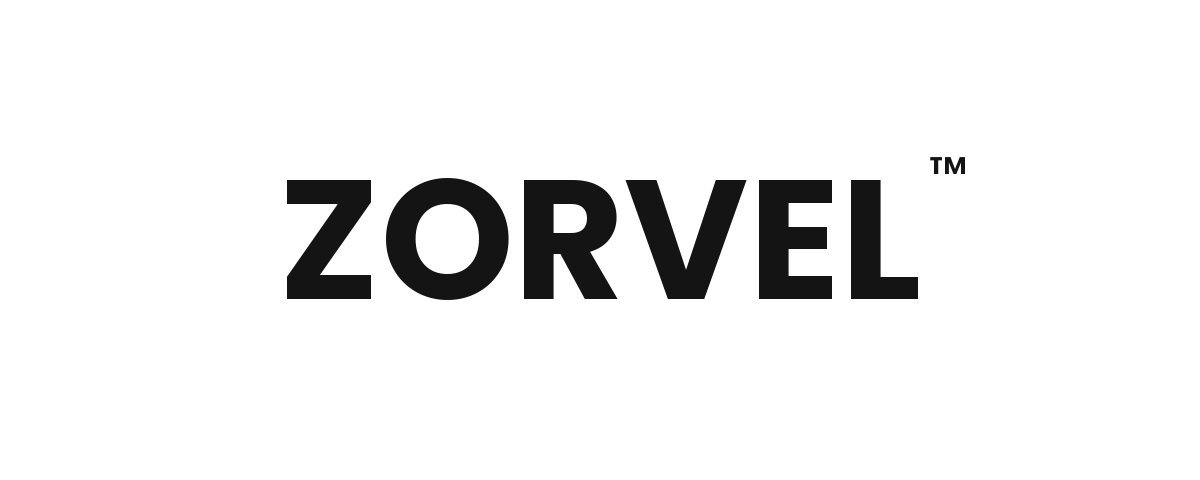
A word mark registers a brand name, word, letters or numbers in plain text, without any design. Because it is not tied to a font, colour or logo, it protects the name however it is written. For most businesses it is the most valuable registration and the one to file first.
Use it for: your business or product name. Example: a brand name such as ZORVEL, filed in plain capital letters.
2. Device Mark or Logo Mark
A device mark registers a visual sign: a logo, symbol, label, or a stylised version of the name, with or without words. It protects the overall look of the logo. It is useful when the logo itself is distinctive, but it does not protect the name on its own as broadly as a word mark. Read our guide to the difference between word marks and device marks before choosing.
Use it for: your logo and visual identity. Example: an emblem combined with the stylised brand name.
3. Shape Mark
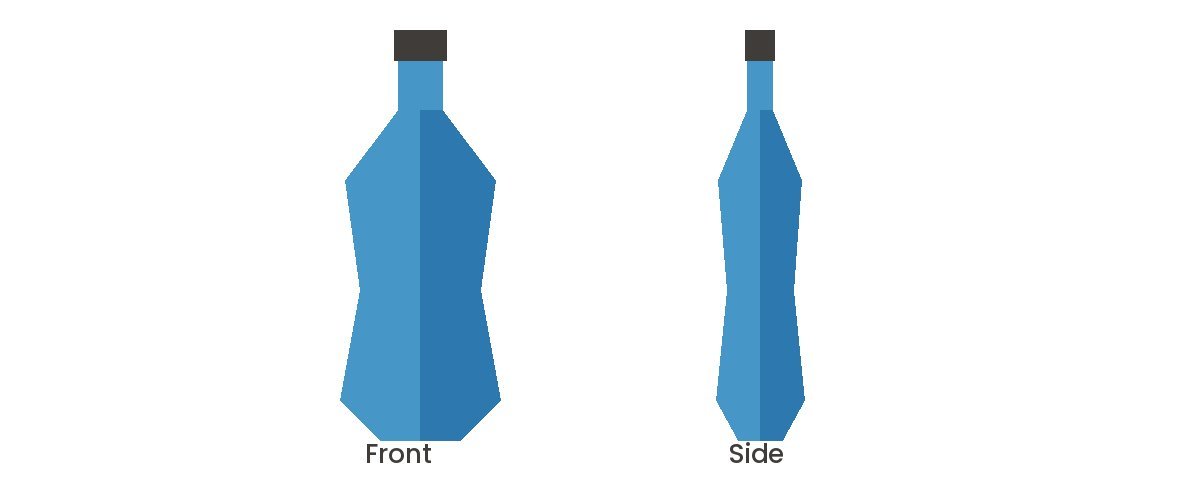
The shape of a product or its packaging can be registered if customers recognise the brand from it, such as a uniquely shaped bottle. The application shows the shape in up to six views. Under Section 9(3), a shape cannot be registered if it comes only from the nature of the goods, is needed to get a technical result, or gives the goods substantial value. For the look of a product, also consider design registration.
Use it for: a distinctive product or container shape. Example: a faceted bottle shape used only by one brand.
4. Colour Mark
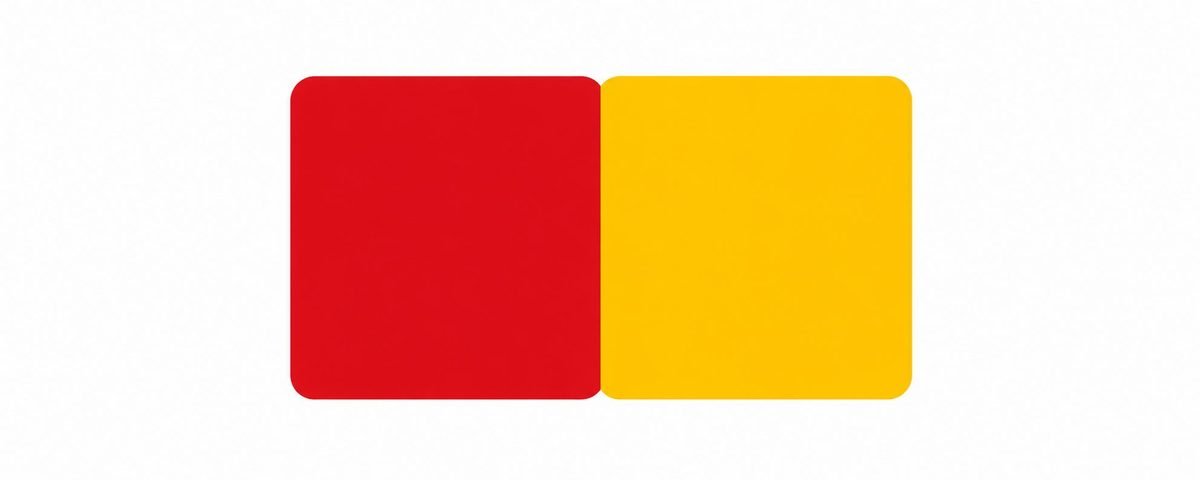
A combination of colours can be registered when customers recognise the product by those colours, for example on its packaging. The application shows the colours and describes how they are used. A single colour on its own is very hard to register in India and needs strong evidence that the public links it to one business.
Use it for: a colour scheme customers associate with your brand. Example: a red and yellow combination used consistently on packaging.
5. Sound Mark
A jingle, tune or short sound can be registered if it identifies the brand. Under Rule 26(5) of the Trade Marks Rules, 2017, the application includes an MP3 file of up to 30 seconds and the sound's musical notation. Sound marks are rare but growing as more brands use audio identities.
Use it for: an audio signature used in ads or apps. Example: a short jingle that plays at the end of every advertisement.
6. Certification Mark
A certification mark shows that goods or services meet a set standard, such as quality, origin, material or method of manufacture. The owner certifies other businesses and cannot trade in the certified goods itself. The application must include regulations setting out the standard and how the mark is used.
Use it for: a body that certifies others. Example: the Darjeeling tea word and logo, registered as certification marks by the Tea Board of India. The ISI mark is often quoted as an example, but it is a standard mark issued under the BIS Act, 2016, not a trademark registration.
7. Collective Mark
A collective mark shows that goods or services come from members of an association, such as a trade or professional body. The association owns the mark and its members use it under the association's rules.
Use it for: associations whose members want a shared badge. Example: a farmers' association whose members use its logo on their products.

Note: these seven are not all the same kind of category. Word, device, shape, colour and sound describe the form a mark takes. Certification and collective marks describe its legal purpose and have their own rules. Shape, colour and sound marks are often called non-traditional trademarks.
Other marks you may come across
Slogans and taglines: a distinctive slogan can be registered, usually as a word mark. Slogans that only praise or describe the goods ("best quality", "fresh every day") are refused.
Series marks: similar marks that differ only in non-distinctive details, such as the same name with different numbers, can be registered as a series under Section 15(3).
Service marks: marks used for services rather than goods (classes 35 to 45). In India they are filed and protected the same way as other trademarks.
Well-known trademarks: not a filing type but a status. A mark recognised as well known is protected across all classes. Owners can request recognition from the Registry, and courts can also declare a mark well known.
The Five Types of Trademarks by Distinctiveness
Trademarks are also grouped by how strongly they set a brand apart. The stronger the mark, the easier it is to register and enforce.
1. Fanciful: An invented word with no meaning of its own, such as Kodak. The strongest type and the easiest to register.
2. Arbitrary: A real word used for something unrelated to its meaning, such as Apple for computers. Also strong.
3. Suggestive: A word that hints at a quality of the product without describing it, such as Coppertone for sun lotion. Usually registrable.
4. Descriptive: A word that directly describes the product or its features, such as "Fresh Bread" for a bakery. Refused unless it has become distinctive through long use.
5. Generic: The common name of the product itself, such as "Shoes" for footwear. Cannot be registered.
Looking for help filing in Pune? See our trademark registration agent in Pune page.
Types of Trademark Applications
Every trademark application in India is filed on Form TM-A under the Trade Marks Rules, 2017. Applications differ in four ways:
By kind of mark: an ordinary trademark (word, logo, shape, colour, sound or a combination), a certification mark, a collective mark or a series of marks.
By class coverage: a single-class application, or one multi-class application covering several classes. The government fee is charged per class either way.
By filing basis: "used since" a stated date, backed by evidence of use, or "proposed to be used" for a mark you have not launched yet.
By filing route: directly with the Trade Marks Registry in India, or through the Madrid Protocol for protection in other countries.
How to Choose the Right Type of Trademark
- Brand name: file a word mark first if the name is distinctive
- Logo: add a separate device mark if your logo is distinctive and important to the brand
- Product look: check whether a shape mark or a design registration fits better
- Sound or colours: consider these once customers genuinely recognise them as your brand
- Several elements: file the name and the logo as separate applications so each is protected on its own
Before filing, check how distinctive the mark is and run a trademark search for similar earlier marks.
Which Trademark Class Do You Need?
The class depends on what you sell, not on the type of mark. India follows the Nice Classification of 45 classes: classes 1 to 34 for goods and 35 to 45 for services. A clothing brand needs class 25 for the clothes, and class 35 if it also runs an online store selling other brands.
A business that trades in several kinds of goods or services may need several classes. See our list of all 45 trademark classes to find yours.
Which Trademarks Can Be Registered and Which Are Refused?
Sections 9 and 11 of the Trade Marks Act set out the main grounds for refusal:
- Not distinctive: marks that cannot tell your goods apart from others
- Descriptive or generic: words that describe the product, its quality or purpose, or are its common name
- Deceptive or prohibited: marks likely to mislead the public, hurt religious sentiments, or that are obscene or barred by law
- Functional shapes: shapes that come from the nature of the goods, give a technical result or add substantial value
- Conflict with earlier marks: marks identical or similar to an earlier mark for similar goods or services, where confusion is likely, or similar to a well-known mark
A descriptive mark can still be registered if it has become distinctive through long use. Read more in our guide to the grounds of refusal of trademark registration.
How to Register a Trademark in India
- Search for identical and similar marks in your classes.
- Choose the type of mark and the right classes.
- Prepare the applicant details, the mark and any proof of use.
- File Form TM-A and pay the government fee.
- Reply to the examination report if objections are raised.
- The mark is advertised in the Trade Marks Journal, where others can oppose it within four months.
- If there is no opposition, or it is decided in your favour, the mark is registered.
The full timeline is in our trademark registration process guide.
Frequently Asked Questions
The main types are word marks, device or logo marks, shape marks, colour marks and sound marks. Certification marks and collective marks are special kinds with their own legal rules. Series marks and well-known marks are also recognised.
A trademark protects the signs that identify your business: brand names, logos, slogans, distinctive shapes, colour combinations and sounds. It protects them for the goods or services and classes in which the mark is registered.
Fanciful (invented words), arbitrary (real words used in an unrelated context), suggestive (words that hint at a quality), descriptive (words that describe the product) and generic (the common name of the product). Fanciful and arbitrary marks are the strongest; generic terms cannot be registered.
A word mark protects the brand name or text itself, in any font or style. A device mark protects a logo, symbol or stylised design as it appears. For most businesses the word mark gives broader protection.
Yes. File the name as a word mark and the logo as a separate device mark. Each is a separate application, so each can be protected and enforced on its own.
Yes, if it is distinctive. Slogans that only praise or describe the goods, such as "best quality", are usually refused. Slogans are normally filed as word marks.
No. The ISI mark is a standard mark issued by the Bureau of Indian Standards under the BIS Act, 2016, not a certification mark registered under the Trade Marks Act. An example of a registered certification mark is the Darjeeling tea word and logo, owned by the Tea Board of India.
All applications are filed on Form TM-A, but they differ by the kind of mark (ordinary, certification, collective or series), by class coverage (single class or multi-class) and by filing basis (already in use or proposed to be used). International protection can be sought through the Madrid Protocol.
No. The government fee is per class and depends on the applicant: ₹4,500 per class for individuals, startups and small enterprises, and ₹9,000 per class for others, for online filing. Each mark you protect separately, such as the name and the logo, is a separate application.
Not Sure Which Type to File?
We advise on the right type of mark and the right classes as part of every trademark registration, and file within 24 hours. Packages start at ₹6,400 per class, including the government fee.
Apply online: Trademark registration in India
Phone: +91 80870 23377
Email: consulting@law-certis.in